Recycling and Rubbish in Roehampton: A Practical Look at Cleaner Streets, Smarter Waste Habits, and Local Living
Recycling and rubbish in Roehampton affect more than just bins on collection day. They shape how tidy the area looks, how well local homes and businesses manage waste, and how residents contribute to a cleaner, more sustainable neighbourhood. From everyday household rubbish to cardboard, glass, green waste, and bulky items, understanding the best way to handle waste in Roehampton helps reduce mess, improve recycling rates, and make life more efficient for everyone.
Whether you live in a flat, a family home, or manage a local property, the right approach to recycling and rubbish disposal can save time, reduce stress, and keep clutter under control. In a busy part of South West London like Roehampton, practical waste habits matter. With the right routines and reliable rubbish removal options, it becomes much easier to stay organised and support a greener community.
In this article, we explore the realities of recycling and rubbish in Roehampton, including common waste types, local recycling practices, seasonal challenges, property cleanouts, and how residents can make smarter disposal choices. If you are looking for better ways to manage waste, contact us today to arrange a service that fits your needs.
Why Recycling and Rubbish Management Matter in Roehampton
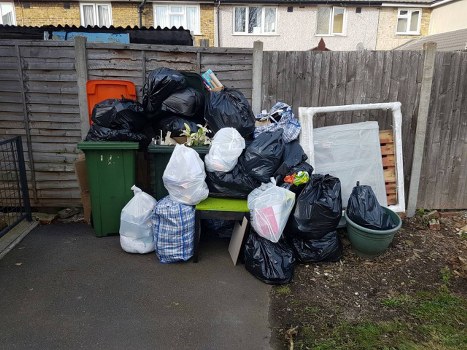
Roehampton is a residential area where tidy surroundings and efficient waste handling are especially important. Recycling and rubbish management support cleaner streets, less fly-tipping, and better overall living conditions. When waste is sorted correctly, recyclable materials can be recovered, landfill use can be reduced, and households can avoid overflowing bins and unnecessary waste build-up.
Good rubbish management also helps maintain kerb appeal and neighbourhood pride. In places with a mix of homes, student accommodation, and local businesses, waste can accumulate quickly if collections are missed or items are left out incorrectly. That is why recycling and rubbish in Roehampton should be approached with a mix of awareness, routine, and reliable disposal methods.
There is also a financial angle. Poor waste habits can lead to additional collection fees, council penalties, and costly cleanups after rubbish piles up. By staying on top of recycling and rubbish disposal, residents and landlords can avoid these issues while keeping properties safer and more presentable.
Understanding the Main Types of Waste in Roehampton
Different waste streams need different handling. One of the most useful steps in improving recycling and rubbish management in Roehampton is understanding what kind of waste you are dealing with. Household waste is not all the same, and sorting it properly is key to efficient disposal.
Common waste categories include:
- General household rubbish such as food packaging, non-recyclable plastics, and mixed waste
- Dry recycling including paper, cardboard, cans, tins, and selected plastics
- Glass recycling from jars, bottles, and similar containers
- Food waste that may be collected separately in certain systems
- Garden waste including leaves, grass cuttings, small branches, and soil
- Bulky rubbish such as furniture, mattresses, and old appliances
- Special waste like paint, batteries, electrical items, and items requiring careful handling
Knowing where each item belongs makes recycling and rubbish disposal much simpler. It also reduces contamination in recycling bins, which can cause whole loads to be rejected. When residents take a few minutes to separate waste correctly, the results can be much better for the environment and for the local area.
Household Recycling Habits That Make a Difference
Small household habits can create a big impact on recycling and rubbish levels in Roehampton. A well-organised home waste routine prevents bin overflow and encourages more materials to be recycled properly. For many households, the challenge is not lack of interest but simply making the process easier to follow day after day.
Useful recycling habits include rinsing food containers, flattening cardboard boxes, storing batteries separately, and keeping recyclable items dry and uncontaminated. It also helps to place clearly labelled bins in kitchens, utility rooms, or shared collection areas so everyone in the household knows what goes where. Consistency is often more effective than occasional big cleanups.
Another helpful habit is checking packaging before disposing of it. Some items that look recyclable may have mixed materials or coatings that make them unsuitable for standard collection. Taking a moment to sort items correctly supports better recycling and rubbish handling across Roehampton and reduces avoidable waste.
Recycling and Rubbish Challenges in Flats and Shared Housing
Why shared living needs a different approach
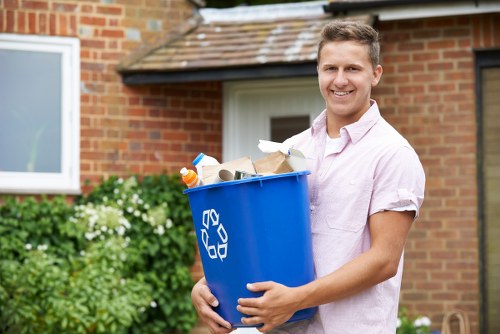
Roehampton has a variety of housing types, including flats, shared houses, and managed residential blocks. These settings can create additional challenges for recycling and rubbish because multiple people may be using the same bins, collection areas, and storage spaces. Without clear systems, waste can build up quickly or become mixed in ways that make recycling harder.
Shared housing often needs clear bin signage, regular reminders, and enough container space for each waste stream. It is also important to make sure residents understand local collection times and what items should be avoided. In many cases, the biggest issue is not the amount of waste itself but poor coordination among occupants.
Good shared waste management can include:
- Using separate containers for recycling, rubbish, and food waste
- Posting simple sorting instructions in communal areas
- Setting a routine for taking bins out on the correct day
- Assigning responsibilities in shared homes or blocks
- Removing bulky items quickly so they do not block common spaces
Local property managers and landlords
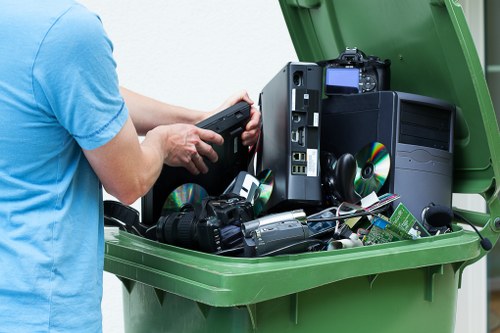
Property managers and landlords in Roehampton also have a role to play. They benefit from keeping rubbish areas tidy, ensuring tenants know the rules, and arranging removals for oversized waste when needed. A neglected bin store or overflowing skip can create complaints, attract pests, and damage the appearance of the property.
When managed properly, recycling and rubbish in Roehampton becomes far easier for everyone involved. Simple systems and regular checks prevent problems before they start. If a block or rental property needs support, book your service now and keep waste under control without delays.
For multi-occupancy buildings, clear communication is just as important as collection frequency. Even a well-designed recycling setup can fail if residents are unsure how to use it.
Common Recyclable Materials and How to Handle Them
One of the best ways to improve recycling and rubbish outcomes in Roehampton is to know exactly which materials are typically accepted in recycling collections. While collection rules can vary depending on the service provider, many residents regularly handle the same core materials. Sorting them correctly keeps contamination low and recovery rates high.
Some of the most common recyclable materials include paper, magazines, newspapers, cardboard, plastic bottles, metal cans, foil trays, and glass bottles or jars. It is generally best to remove food residue, keep items loosely separated, and avoid placing soft plastics or mixed-material packaging into standard recycling unless you are certain they are accepted. This small amount of effort makes a real difference.
There are also items that need special attention. Electrical goods, batteries, paint tins, and certain household chemicals should not go into ordinary rubbish or standard recycling containers. These items may require specialist disposal to avoid environmental harm and safety risks. In Roehampton, being aware of these categories helps residents make smarter choices and keep waste streams clean.
Items that often cause confusion
Some waste items regularly create confusion because they look recyclable but are not always suitable for normal collections. Examples include takeaway cups, greasy pizza boxes, black plastic trays, laminated paper, and mixed-material packaging. If in doubt, it is safer to check the material type before placing it in the bin.
That said, recycling and rubbish in Roehampton can still remain straightforward with a little organisation. A labelled storage area for questionable items, followed by a periodic check, can help households avoid mistakes and keep bins tidy. This is especially helpful in homes with busy routines where waste is generated quickly.
Bulky Rubbish and Large Item Removal in Roehampton
Not all rubbish can go into a standard bin. When old furniture, broken appliances, garden debris, or large quantities of waste need to be removed, bulky rubbish solutions become essential. These items can be difficult to transport, heavy to lift, and awkward to store, so planning ahead is important.
Bulky item removal is particularly useful when moving house, renovating a room, clearing out a garage, or replacing furniture. Instead of leaving large items in communal spaces or at the kerb for too long, arranging prompt removal helps maintain order and reduce the risk of obstruction. In residential areas like Roehampton, this keeps pavements, entrances, and shared spaces safer and cleaner.
Typical bulky waste items include:
- Sofas and armchairs
- Beds and mattresses
- Wardrobes and shelving
- Fridges, freezers, and washing machines
- Desks, cabinets, and office furniture
- Exercise equipment and general household clutter
For many residents, handling large rubbish through a professional collection saves time and physical effort. It is also useful when a fast turnaround is needed, especially if an item is too large for the car or too heavy to move safely.
Garden Waste, Seasonal Cleanups, and Outdoor Maintenance
Roehampton homes with gardens, patios, or outdoor spaces often generate a separate stream of rubbish and green waste. Seasonal cleanups can create a lot of material quickly, especially in spring and autumn. Leaves, branches, soil, broken planters, and old outdoor furniture can pile up before you know it.
Managing garden waste properly supports both tidiness and environmental responsibility. Where possible, green waste should be kept separate from general rubbish so it can be composted or processed appropriately. This is particularly useful after hedge trimming, lawn maintenance, or landscape work. Separated green waste is much easier to recycle than mixed waste.
Helpful tips for garden waste management include:
- Bagging leaves and lightweight debris separately
- Cutting larger branches into manageable sections
- Removing soil from plastic pots before disposal
- Keeping old garden furniture separate from organic waste
- Arranging a collection for large clearances rather than overfilling bins
Autumn and winter waste spikes
Waste volumes often rise during certain times of year. In autumn, fallen leaves and pruning waste increase sharply. In winter, home clearouts, renovations, and festive packaging can create a surge in both recycling and rubbish. Roehampton residents who plan ahead tend to manage these peak periods more easily.
This is why a seasonal approach is useful. If you know a large clearout is coming, it is smarter to schedule waste removal in advance rather than leaving it to chance. Keeping an eye on bin capacity, collection dates, and household clutter helps prevent a buildup that is harder to fix later.
Routine waste planning also helps during holiday periods when collections may change. A little preparation keeps recycling and rubbish in Roehampton under control, even during busier months.
Fly-Tipping Prevention and Community Responsibility
Fly-tipping is a serious issue in many parts of London, and Roehampton is no exception. Unauthorised dumping of rubbish creates ugly streets, attracts pests, and can become expensive for local authorities or property owners to remove. Preventing fly-tipping is therefore a shared responsibility.
One of the biggest causes of fly-tipping is convenience. When people do not know where to dispose of bulky waste or are waiting too long for a collection, items may be abandoned illegally. By offering practical rubbish removal options and maintaining clear waste habits, residents can reduce the temptation to dump items inappropriately.
Simple actions that help prevent fly-tipping include:
- Never leaving waste beside overflowing bins
- Using approved collection services for large items
- Keeping shared bin areas locked or well managed
- Reporting suspicious dumping quickly
- Making sure waste is taken to the correct facility
Waste Reduction Tips for Roehampton Households and Businesses
Reducing waste is one of the smartest ways to improve recycling and rubbish performance. The less unnecessary material you bring into your home or business, the less you need to store, sort, and remove later. In a busy area like Roehampton, waste reduction can make day-to-day life simpler and more economical.
For households, this may mean choosing reusable containers, buying in bulk where sensible, repairing items instead of replacing them, and donating usable goods before they become rubbish. For businesses, it may involve improving stock management, switching to recyclable packaging, and reviewing what can be reused internally. These small decisions have a cumulative effect.
Waste reduction ideas to consider:
- Use refillable bottles and storage containers
- Choose products with minimal packaging
- Donate clothes, books, and furniture in usable condition
- Repair small appliances before replacing them
- Separate recyclable materials as soon as waste is created
Practical recycling habits for offices and shops
Local businesses in Roehampton also play a key role in responsible waste handling. Offices can recycle paper, cardboard, and some plastics efficiently when systems are clearly set up. Shops may generate packaging waste, cardboard, and occasional broken display materials that need to be removed quickly and responsibly.
By putting simple processes in place, commercial premises can keep waste areas neat and reduce disruption to staff or customers. A tidy back-of-house space also supports a more professional image, which is important for businesses that value presentation and efficiency.
Clean waste systems are not just about compliance. They improve workflow, reduce hazards, and support a better working environment overall.
How Professional Rubbish Removal Supports Recycling and Waste Control
Sometimes household or commercial waste builds up faster than standard collections can manage. In those moments, professional rubbish removal can make the difference between a cluttered property and a clean, usable space. This is especially helpful after home renovations, end-of-tenancy clearances, garden projects, or office refits.
A professional service can remove mixed waste, bulky furniture, and hard-to-manage items quickly, which helps keep recycling and rubbish in Roehampton under control. It is often the most practical option when space is limited or when items need to be removed urgently. Instead of making multiple trips or waiting for the next collection cycle, you can clear the space efficiently.
Professional support also helps ensure waste is sorted appropriately. Recyclable materials can be separated from general rubbish, reducing unnecessary landfill use and supporting a more responsible disposal process. For many residents, that makes the service both convenient and environmentally sensible.
When to consider professional help
There are many situations where outside help is worth considering. If you are dealing with heavy items, a full garage, post-renovation rubble, or a property clearance, it may be difficult to handle everything safely alone. The same applies when waste is scattered across different rooms or has accumulated over time.
Professional removal is also helpful when deadlines matter. Landlords preparing a property, families moving home, or businesses clearing an office often need a fast solution. In these cases, a reliable service can remove waste without disrupting schedules or creating extra stress.
If you need a quicker, cleaner solution for recycling and rubbish in Roehampton, book your service now and move forward with confidence.
Building Better Waste Habits for a Cleaner Roehampton
The long-term success of recycling and rubbish in Roehampton depends on everyday behaviour. Clean streets, tidy bin areas, and efficient collections all begin with the choices made in homes, shared properties, and workplaces. When residents separate waste carefully and dispose of it responsibly, the whole area benefits.
Better waste habits do not have to be complicated. They can start with simple actions like checking labels, using bins correctly, and arranging removal for larger items before they become a problem. Over time, these routines become second nature and make household or business waste far easier to manage.
At the community level, consistent recycling and rubbish practices also support local sustainability efforts. Fewer contaminated bins, less fly-tipping, and smarter disposal choices all contribute to a healthier environment. That is good news for residents, landlords, and businesses alike.
Conclusion: Smarter Recycling and Rubbish Solutions in Roehampton
Recycling and rubbish in Roehampton are about more than routine bin collection. They are part of a larger effort to maintain tidy streets, support sustainability, and make homes and businesses easier to manage. From day-to-day recycling habits to bulky waste removal, every step plays a part in keeping the local area clean and organised.
Whether you are sorting household recyclables, clearing a shared bin area, managing garden waste, or dealing with large unwanted items, the right approach saves time and improves results. With clear habits and practical removal options, it becomes much easier to stay on top of waste in a busy neighbourhood.
If you want a reliable way to handle recycling and rubbish in Roehampton, take the next step today. Contact us today or book your service now for an efficient, straightforward solution that helps keep your property clean and clutter-free.

